The Odyssey
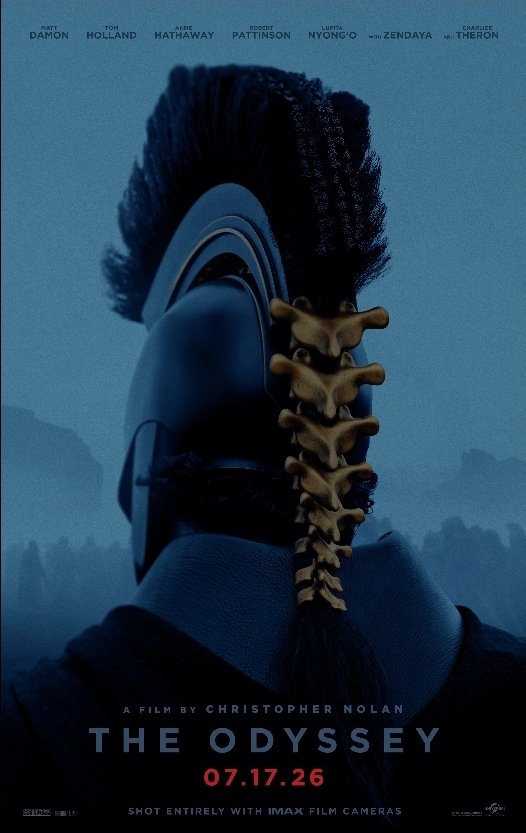
Christopher Nolan’s next cinematic adventure isn’t a mind‑bending thriller but one of the oldest stories ever told. Slated for release on July 17 2026, The Odyssey adapts Homer’s 24‑book epic poem for IMAX screens, combining mythic spectacle with Nolan’s commitment to practical filmmaking. Here’s what we know about the film’s narrative, its stellar ensemble and how Nolan brought an ancient Greek journey to life.
Universal Pictures has billed The Odyssey as a “mythic action epic” shot across the world using brand‑new IMAX film technology. The story follows Odysseus, the legendary king of Ithaca, as he struggles to return home after the Trojan War. Odysseus’s long voyage involves encounters with Calypso, Circe and the goddess Athena as he battles cyclopes, sirens and monsters. Meanwhile his wife Penelope fends off suitors and his son Telemachus searches for him, adding domestic drama to the seafaring adventure. Early footage shown on The Late Show suggests the film will devote significant time to life in Ithaca, with rival suitor Antinous challenging Telemachus and questioning his absent father’s legacy.
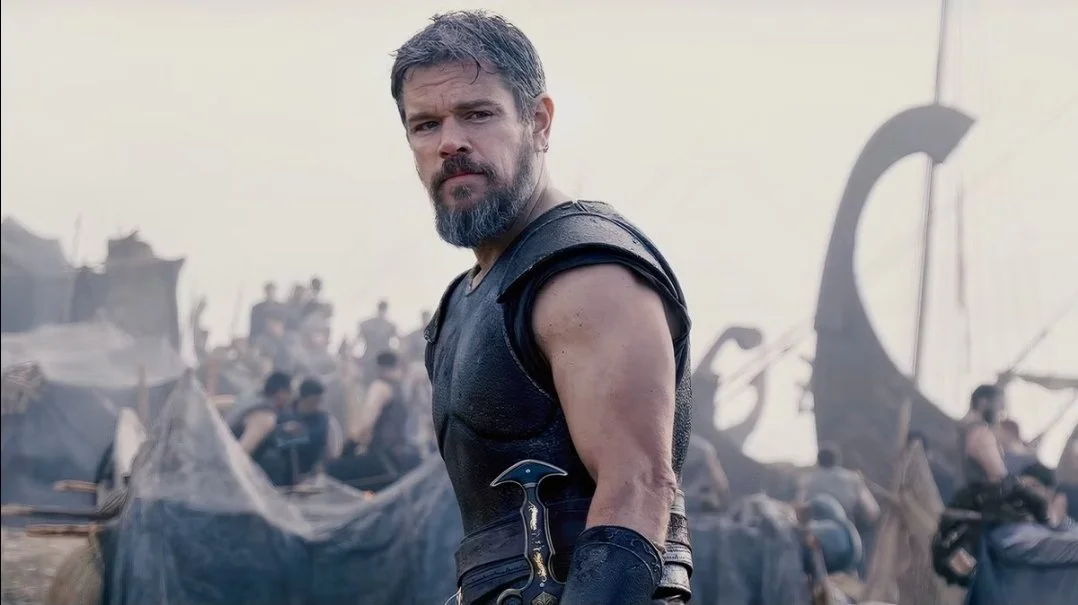
Nolan has assembled an ensemble that mixes longtime collaborators with exciting new partners. Matt Damon plays Odysseus, a role he prepared for by undergoing a strict training regimen and growing a real beard to convey the character’s resourcefulness and physicality. He is joined by, Tom Holland as Telemachus, Anne Hathaway as Penelope, Robert Pattinson as Antinous, and Zendaya as Athena among the very few in a star studded cast that is sure to make this film a success.
Nolan previously confirmed that Polyphemus (the cyclops) will be played by Bill Irwin, and additional cast members range from Mia Goth’s Melantho to undisclosed roles for actors like Elliot Page, Logan Marshall‑Green and Travis Scott.
In typical Nolan fashion, The Odyssey was shot on 70 mm IMAX film—the first feature to do so entirely—using over two million feet of film. The director emphasised physicality over CGI, filming on location in Scotland, Sicily, Iceland and Morocco. Much of the 91‑day shoot took place on the open ocean; Nolan described the sea as “vast and terrifying and wonderful and benevolent” and said that embracing real environments informs the storytelling because “you’re confronted on a daily basis by the world pushing back at you”